Image
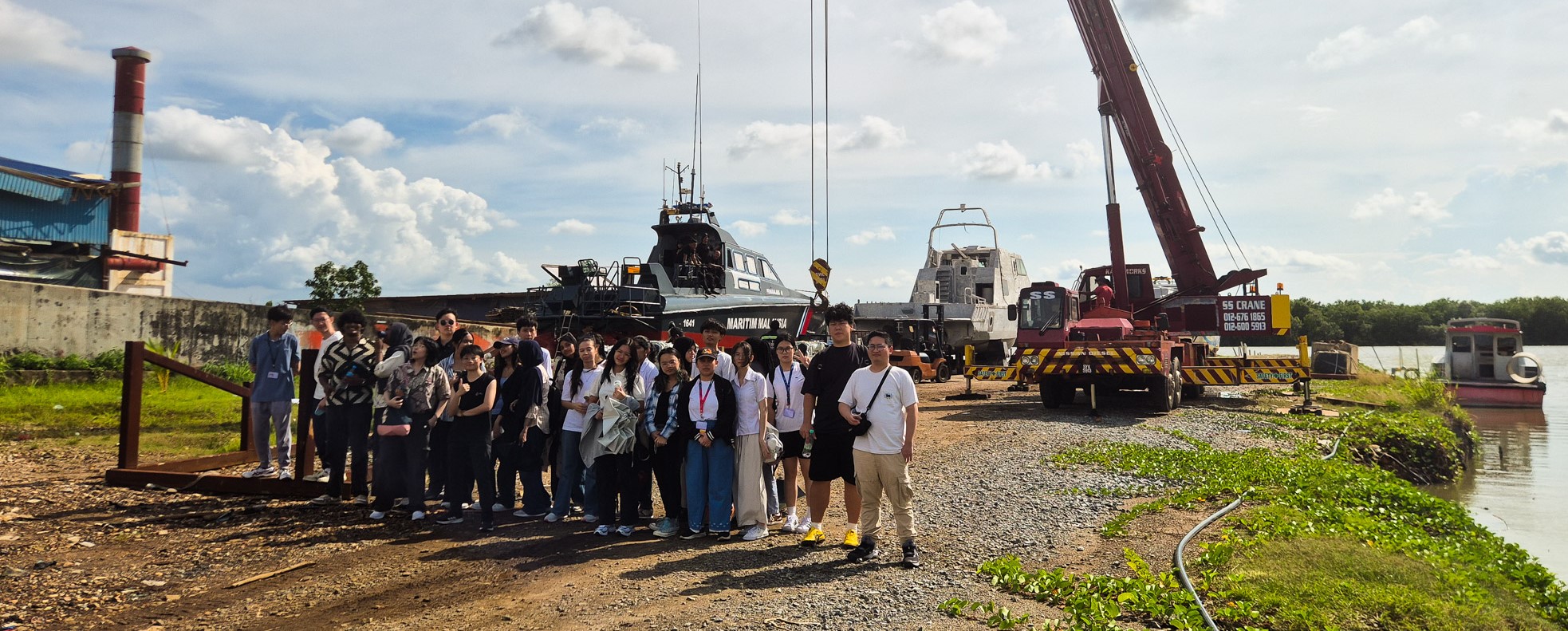
Recently, 40 Industrial Design students from the School of Media, Arts, and Design (SoMAD) at Asia Pacific University of Technology & Innovation (APU), embarked on an enriching industrial educational trip to Aaira Marine Naval Shipyard, Pandamar, Klang.
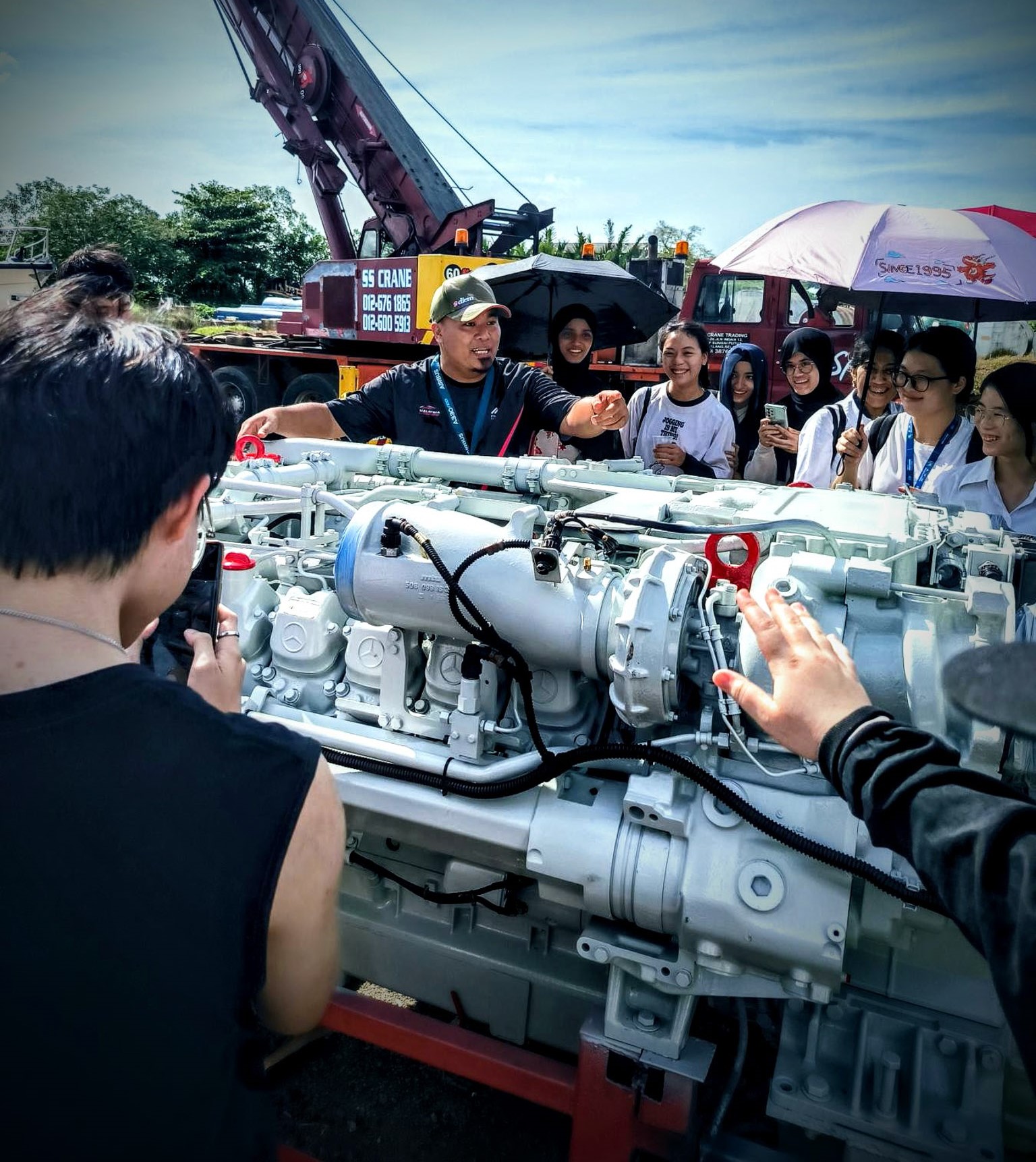
Accompanied by Mr Mohd Norhazli Mohamed Azlanudin (Lecturer, SoMAD at APU) and Mr Wan Dinie Izzat Wan Arifin (Lecturer, SoMAD at APU), the trip was was designed to provide students with firsthand exposure to Malaysia’s marine engineering and shipbuilding sector, with a strong emphasis on how industrial design principles are applied in real-world maritime and large-scale industrial environments.
This trip marked a milestone, as APU became the first university ever to visit Aaira Marine Naval Shipyard, strengthening educational-industry collaboration.
Exposure to Marine Engineering and Shipbuilding operations
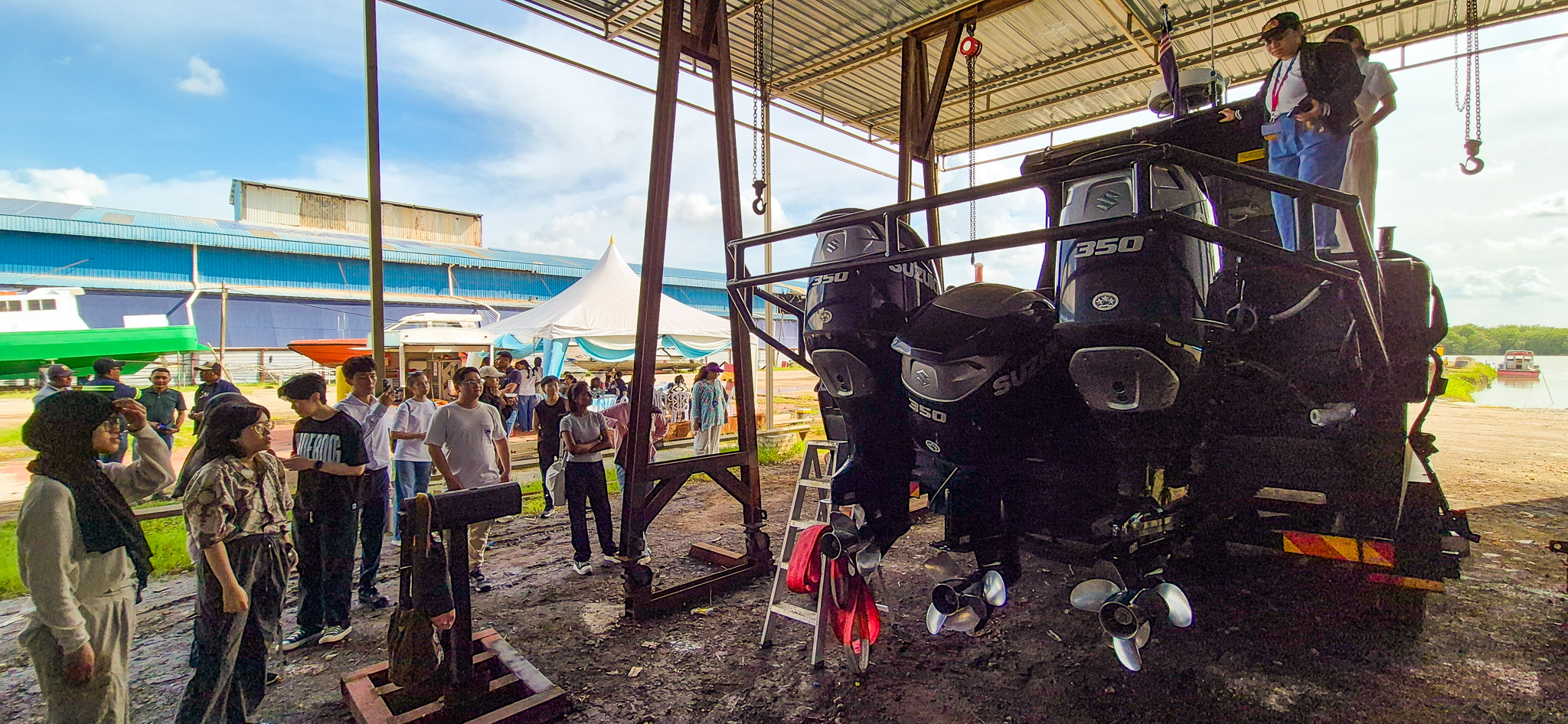
Firstly, students were welcomed by Mr Abdullah Sholehin Mohd Zainudin, Director of Aaira Engineering Sdn Bhd, and was attended by officers from the Marine Department of Malaysia.
Then, the trip began with an introductory briefing that outlined the shipyard’s core functions, operational capabilities, and its role in supporting maritime and naval operations, providing students with important context before the on-site exploration.
Next, students proceeded on a guided tour of the shipyard, where they observed large-scale engineering processes, vessel structures, and specialised maritime equipment used across various shipbuilding and maintenance projects.
Throughout the tour, students were exposed to the practical considerations involved in designing components and systems that must perform reliably under demanding marine conditions.
This immersive experience enabled students to gain a deeper understanding of how industrial design principles such as user-centred design, ergonomics, material selection, and functional efficiency are integrated within complex marine engineering environments, where safety, durability, and operational performance are critical to real-world applications.
A Meaningful learning Experience
Beyond technical observation, the trip encouraged students to think critically about the responsibilities of industrial designers within high-risk and highly regulated industries.
By engaging directly with real operational settings, students were able to reflect on the importance of designing solutions that balance aesthetics with functionality, compliance, and long-term usability.
The experience also broadened students’ perspectives on potential career pathways within the maritime and naval sectors, highlighting how industrial design contributes to system efficiency, safety standards, and human-machine interaction.
News & Happening
Download e-Brochures
Intake Calendar
Want to know more ?
Let’s Connect